



At the heart of any research, quality control or analysis laboratory lies its most valuable asset: precision instrumentation. Micropipettes, dedicated sensors, measuring probes, high-end optical equipment. Their proper management, maintenance and traceability is not simply a matter of organisation, but a critical factor for data reliability, experiment reproducibility and compliance with stringent standards such as GLP (Good Laboratory Practice) or ISO/IEC 17025.
Traditional management, based on paper records, loan sheets and operator memory, has become a risky anachronism. Where is that probe calibrated yesterday? Who last used the viscometer? Is the calibration of this micropipette still valid? Answers often arrive late, putting entire projects at risk.
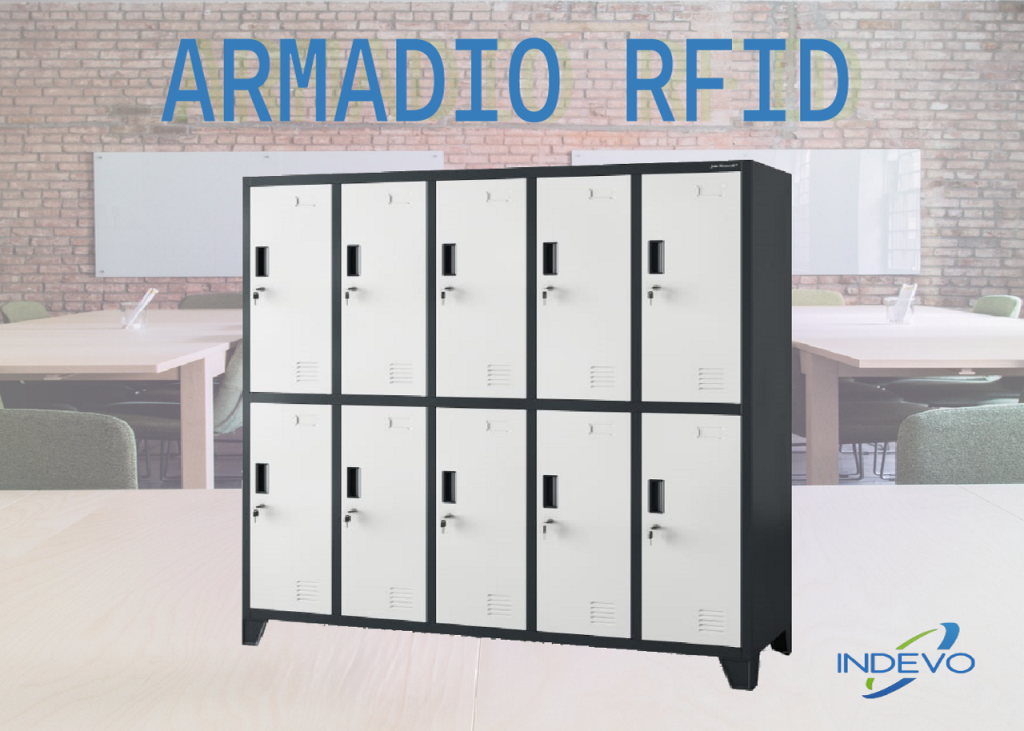
The solution comes from integrating RFID (Radio Frequency Identification) technology into a smart storage system: the RFID laboratory cabinet.
The Intelligent Laboratory: How the System Works
This system transforms a simple storage cabinet into an ‘active guardian’ of the equipment. Here is the operational flow:
- Digital Identity for Every Instrument: Each piece of critical equipment (e.g., a set of pipettes or a pH probe) is fitted with a specialised UHF RFID tag that is resistant to controlled environments (vapours, low temperatures). The tag becomes its digital identity card, containing information such as a unique code, model, serial number and, most importantly, the date of the last calibration and the next expiry date.
- Accesso autorizzato e tracciabilità: Solo il personale autorizzato può accedere alla struttura. L’accesso è garantito in modo sicuro e personale tramite badge NFC o riconoscimento biometrico, collegando in modo inequivocabile ogni operazione all’operatore. Niente più accessi anonimi o strumenti “presi in prestito” non tracciabili.
- Automatically Recorded Handling: When opened and closed, the RFID antennas integrated into the cabinet perform a complete scan. The system automatically detects which tool has been taken or returned, by whom, and at what time. Manual recording becomes obsolete.
- Central Management Platform: All data is collected in cloud-based management software. The lab manager has a real-time dashboard that shows: the exact location of each instrument, complete usage history, calibration status, and automatic alerts for upcoming maintenance or calibrations.
The Concrete Benefits for Research and Development
Implementing an RFID locker system for laboratory equipment means investing in the intrinsic quality of your work:
- Integrità dei Dati Garantita: Assicura che gli esperimenti vengano condotti solo con strumenti calibrati e validi. Elimina il rischio di compromettere mesi di ricerca a causa di uno strumento non affidabile.
- Piena Conformità agli Standard (GLP, ISO 17025): Automatizza la tracciabilità richiesta dagli standard, creando un audit trail digitale e inattaccabile per ogni strumento. Semplifica enormemente le ispezioni e le certificazioni.
- Ottimizzazione dei Costi di Calibrazione e Manutenzione: Evita calibrazioni “a calendario” inutili per strumenti poco usati e previene disservizi costosi grazie a alert proattivi. Studi interni dimostrano una riduzione dei costi di gestione del parco strumenti fino al 30%.
- Fine degli Smarrimenti e Massimizzazione dell’Uptime: Il tempo speso alla “caccia allo strumento” viene azzerato. La disponibilità degli asset aumenta, migliorando l’efficienza complessiva del laboratorio.
- Gestione Ottimale delle Risorse Condivise: In laboratori con più team o turni, il sistema regola l’accesso e garantisce che strumenti costosi e delicati siano utilizzati in modo ordinato e tracciato da tutti.
Beyond the Case: A System for the Instrument’s Life Cycle
The true power of this solution lies in its ability to manage the entire lifecycle of the equipment:
- Calibration Management: The system virtually blocks the removal of instruments with expired calibration and automatically directs them to the collection procedure for shipment to the external calibration laboratory.
- Usage Traceability for Predictive Maintenance: Usage history can help predict breakdowns or wear and tear, shifting from corrective to predictive maintenance.
- Integration with the Quality System: Through API, data can flow directly into the company’s Quality Management System (QMS) or laboratory management software (LIMS).
Conclusion
In an era where data reliability is everything, you cannot afford to have instrument logistics management as the weak link. RFID smart cabinets are not just containers, but enabling infrastructure for precision science.
It is an investment that pays off in quality, compliance and efficiency, protecting the value of your research and your laboratory’s most critical assets.
Vuoi trasformare la gestione del tuo laboratorio da passiva a proattiva e intelligente? Scopri come possiamo progettare una soluzione RFID su misura per le tue esigenze specifiche.
👉 Parla con un nostro esperto di soluzioni per laboratorio